
Why Bees Love Lavender
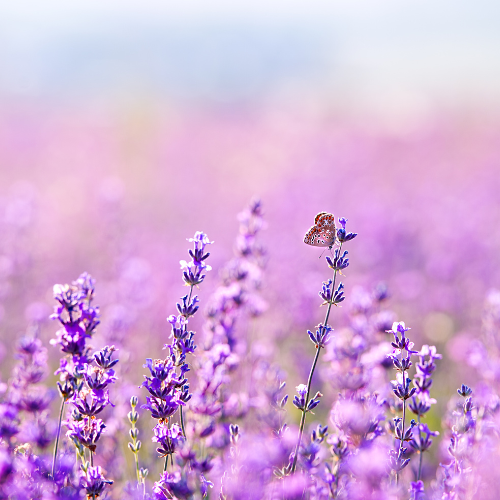
Lavender isn't just beautiful—it's one of nature's favorite food sources for bees and other pollinators. Discover why these tiny visitors are essential to healthy gardens, thriving ecosystems, and the peaceful beauty of Cherry Hill Lavender Farm.

There's something magical about walking through a lavender field on a warm summer day. The gentle hum of bees drifting from bloom to bloom isn't just part of the experience—it's one of the healthiest signs that nature is thriving.
At Cherry Hill Lavender Farm, we welcome our buzzing visitors because every bee plays an important role in helping our environment flourish. Whether you're here to explore the fields, enjoy U-Pick Lavender, or simply relax among the blooms, you're experiencing nature at work.
Lavender: A Pollinator's Paradise
Lavender is one of the most attractive plants for bees. Its fragrant purple flowers are rich in nectar, providing a dependable food source throughout the blooming season.
Unlike many ornamental plants that are grown mainly for appearance, lavender offers real value to pollinators by providing both nectar and pollen. As bees travel from flower to flower collecting food, they also help pollinate countless other plants, supporting healthy gardens, farms, and natural habitats.
Why Pollinators Matter
Did you know that nearly one out of every three bites of food we eat depends on pollinators like bees?
From apples and blueberries to pumpkins and cucumbers, many of the fruits and vegetables we enjoy rely on bees to help plants produce healthy crops. When pollinator populations thrive, so do our gardens, orchards, and local ecosystems.
Every lavender plant buzzing with activity is part of a much bigger story.

A Peaceful Partnership
Many visitors are surprised by how calm the bees are while visiting the lavender fields.
When bees are busy gathering nectar, they're focused on their work—not on people. If you simply move slowly, avoid swatting at them, and give them a little space, you'll often find they're happy to continue their important job while you enjoy yours: taking in the beauty of the farm.
Watching bees drift among the blooms can be surprisingly relaxing, especially during one of our Photography Sessions, reminding us to slow down and appreciate the simple rhythms of nature.
Creating a Bee-Friendly Garden at Home

You don't need acres of land to help pollinators.
Here are a few simple ways you can make a difference:
Plant lavender and other nectar-rich flowers.
Choose a variety of plants that bloom throughout the growing season.
Avoid unnecessary pesticides whenever possible.
Leave a shallow dish of fresh water with small stones for bees to safely land on.
Let a small corner of your garden remain a little wild to provide habitat for beneficial insects.
Even a few pollinator-friendly plants can provide an important stop for hardworking bees.
Looking for more ways to support pollinators? The Xerces Society for Invertebrate Conservation offers excellent resources for creating pollinator-friendly habitats.
Experience Nature Up Close

One of the simple joys of visiting Cherry Hill Lavender Farm is seeing nature in action.
Whether you're strolling through blooming lavender, capturing photographs, or attending one of our seasonal events, the bees remind us that every bloom serves a purpose.
The next time you hear that gentle hum in the field, take a moment to watch. You're witnessing one of nature's oldest and most important partnerships.
We invite you to plan your visit, experience the beauty of lavender in bloom, and celebrate the tiny pollinators that help make it all possible.
Comments